President and Chief Regulatory Officer (CRO)
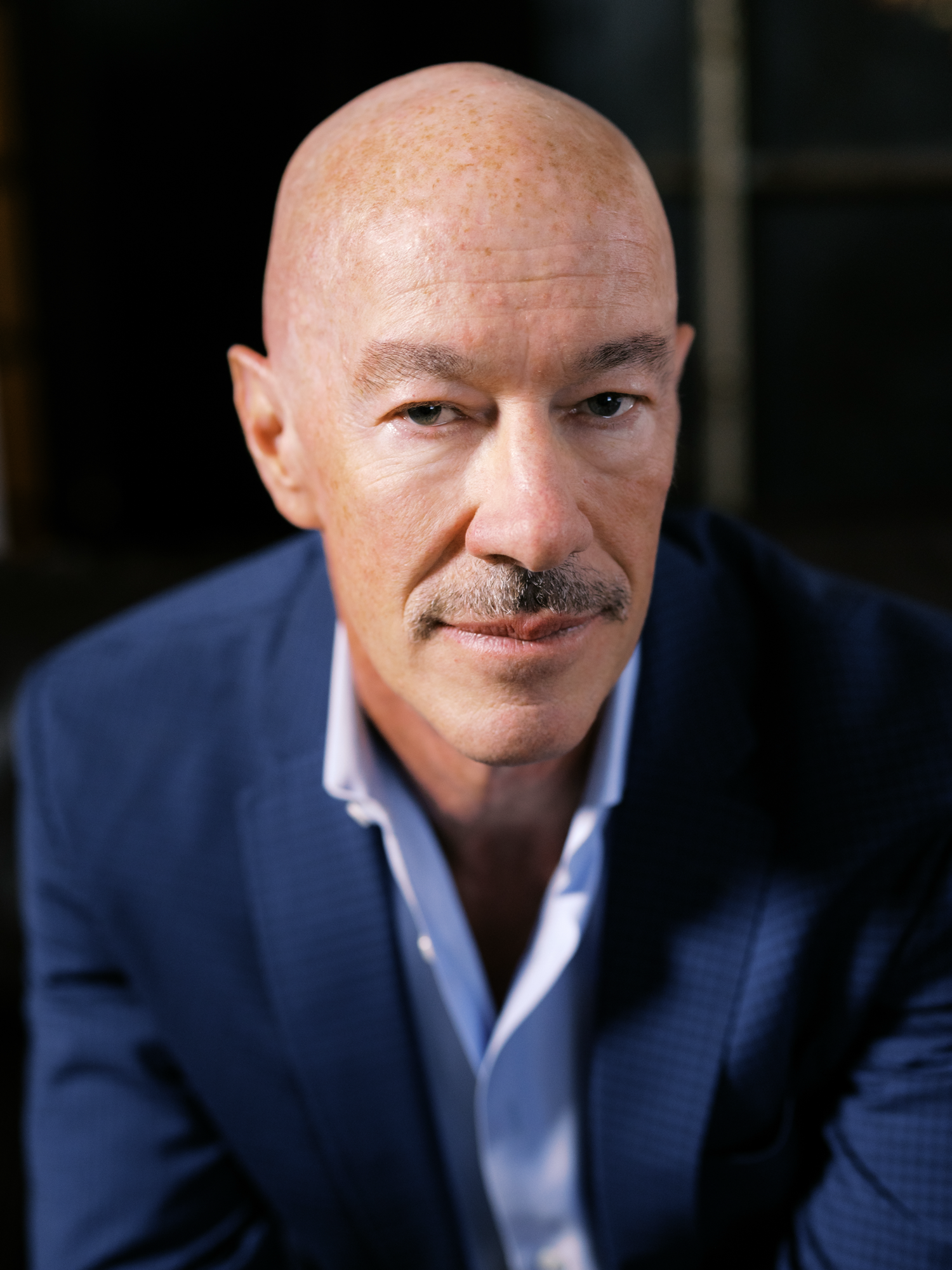
Joel Ehrenkranz, MD
Dr. Joel Ehrenkranz, founder of Oculometrix, is a physician-scientist, serial biotech entrepreneur, and recognized expert in medical diagnostics, neuroendocrinology, public safety technologies, and biomedical product commercialization. He serves as a Visiting Professor in the Division of Chemistry and Chemical Engineering at the California Institute of Technology (Caltech) and as Associate Professor of Endocrinology at the University of Colorado School of Medicine. Board-certified in internal medicine and endocrinology, Dr. Ehrenkranz brings a rare combination of scientific depth, clinical expertise, regulatory insight, and entrepreneurial experience to the development of scalable technologies that improve human health, safety, and performance.
A graduate of Stanford University School of Medicine, Dr. Ehrenkranz completed postgraduate training in internal medicine at Bellevue Hospital and Columbia University College of Physicians and Surgeons, neurology at Memorial Sloan Kettering Cancer Center, and endocrinology at the National Institutes of Health. He has held faculty appointments at Columbia University and the University of Utah and previously served as a consultant and advisor to the Commissioner of the U.S. Food and Drug Administration (FDA).
Dr. Ehrenkranz has founded four biotechnology companies and contributed to the development and commercialization of multiple innovative healthcare technologies, including home pregnancy tests, drug testing systems, point-of-care endocrine diagnostics, therapies for diabetes and osteoporosis, newborn screening technologies, and smartphone-based medical platforms. His work has consistently focused on transforming advanced science and engineering into practical, scalable products capable of broad market adoption, particularly through low-cost, globally available consumer hardware platforms.
Dr. Ehrenkranz brings extensive experience in correctional medicine, forensic diagnostics, public health, and law enforcement technologies. His clinical research at the Connecticut Maximum Security Penitentiary and service as Medical Director of Arizona State Prisons in Douglas and Tucson provided direct operational insight into the real-world challenges of identifying impaired individuals in law enforcement environments. These experiences reinforced his long-standing view that public health and public safety are fundamentally interconnected and highlighted the need for objective, technology-driven methods of assessing human performance and impairment.
This combination of clinical medicine, neuroscience, AI-enabled diagnostics, regulatory knowledge, and operational public safety experience directly shaped the vision behind Oculometrix: a scalable digital platform for objective physiological and neurocognitive assessment. While the company's initial applications focus on impairment detection and law enforcement, the underlying technology has broad potential across transportation safety, industrial workforce monitoring, sports medicine, concussion screening, neurological and psychiatric disease management, and other safety-sensitive industries. By leveraging the computational power and global availability of modern smartphones, Oculometrix aims to deliver sophisticated human performance analytics worldwide in formats that are affordable, portable, easy to use, and scalable.

Chief Technology Officer (CTO)
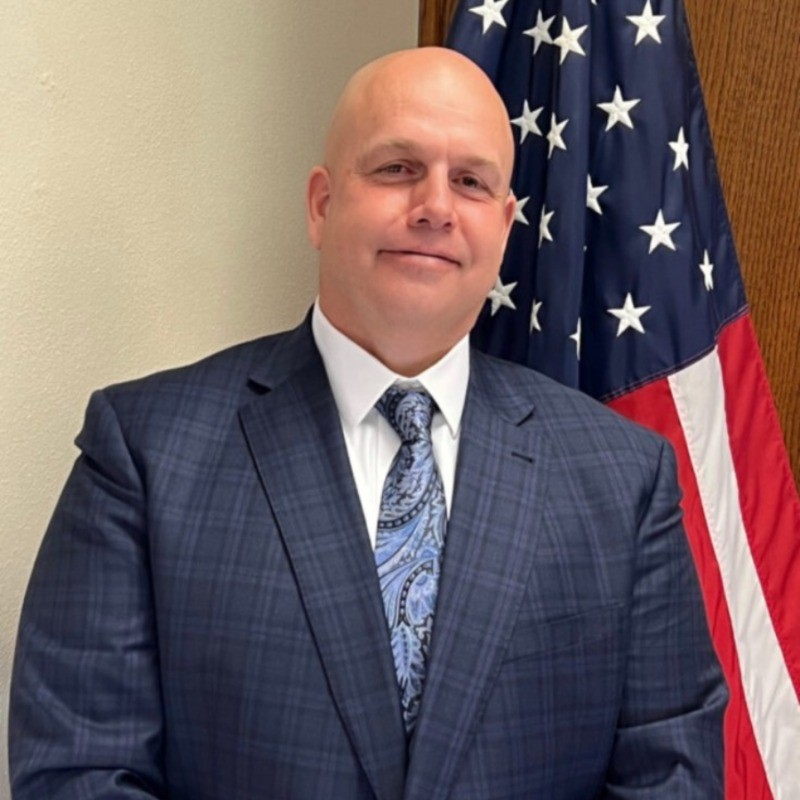
Chi Hoang
Chi Hoang serves as Chief Technology Officer of Oculometrix, leading the company's technical development across ML model architecture, on-device inference, and system infrastructure.
At LinkedIn's AI Infrastructure team, Hoang engineers AutoResearch, a platform that uses an AI-driven planner to autonomously optimize the models behind LinkedIn's recommendation systems, dramatically reducing manual tuning effort. She previously built a failure-analysis system that processed over 1M engineering incidents and cut on-call workload by 200 hours, and has shipped monitoring dashboards tracking performance across production systems. Her current work involves coordinating and evaluating specialized AI agents within LinkedIn's model-training automation platform.
Before LinkedIn, Hoang built an AI-powered accessibility compliance system and deployment infrastructure at GeoProspex (formerly Dodda AI), a Techstars-backed land intelligence startup ($135B portfolio). At Caltech, she was selected as a first-year for the Summer Undergraduate Research Fellowship (SURF), developing a feature for gget — a biology research tool with 70,000+ GitHub downloads — that cut a key query from five minutes to ten seconds; the work was published in Oxford's Bioinformatics. She also interned at the U.S. House of Representatives for Congresswoman Bonnie Watson Coleman, writing policy memos, attending briefings on data, energy, and economic policy, and assisting New Jersey constituents.
Hoang holds a B.S. in Computer Science from the California Institute of Technology (Caltech).
Chief Medical Officer (CMO)
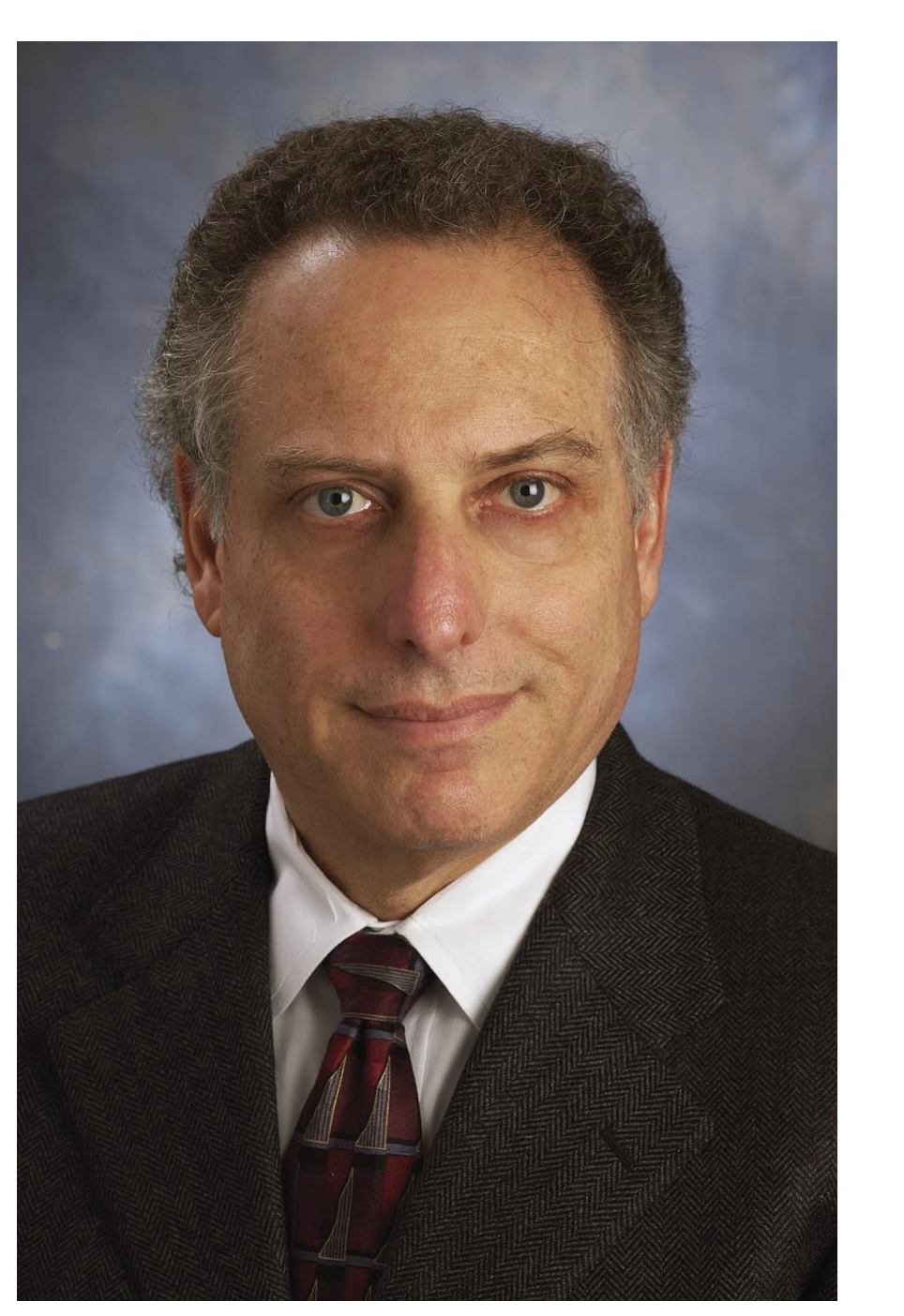
Steven E. Feldon, MD, MBA
Emeritus Chair of Ophthalmology, University of Rochester
Former President, North American Neuro-Ophthalmic Society
Steven E. Feldon, M.D., M.B.A, Emeritus Professor and Chair of the University of Rochester School of Medicine & Dentistry, is a neuro-ophthalmologist. He currently serves as the President of the Alliances for Eye and Vision Research (AEVR/NAEVR). He is the immediate past Executive Vice President of the American University of Professors in Ophthalmology (AUPO) and is the Chief Executive of AUPO Connect, LLC., a Group Purchasing Organization.
A graduate of UCLA (BA, 1969) and Albert Einstein College of Medicine (MD, 1973), his post-graduate training was completed at Mass. Eye & Ear Infirmary and UC, San Francisco. He served as president of the North American Neuro-ophthalmology Society and has authored more than 100 peer-reviewed scientific publications. He holds 8 patents. Amongst his inventions is the Tonopen®, the most commonly used hand-held tonometer for measurement of intraocular pressure. He also pioneered electronic medical records with the introduction of the OcuChart™ in 1993. These inventions were manufactured, marketed, and distributed by companies founded and led by Dr. Feldon. His current sponsored research is focused on Thyroid Eye Disease.
Dr. Feldon is on the Board of Directors of the Doheny Eye Institute and Excell Partners, an early round venture capital group affiliated with the University of Rochester. He serves on the Scientific Advisory Board of Empire Discovery Institute, a NY State sponsored organization promoting drug discovery for Western New York.
Chief Financial Officer (CFO)
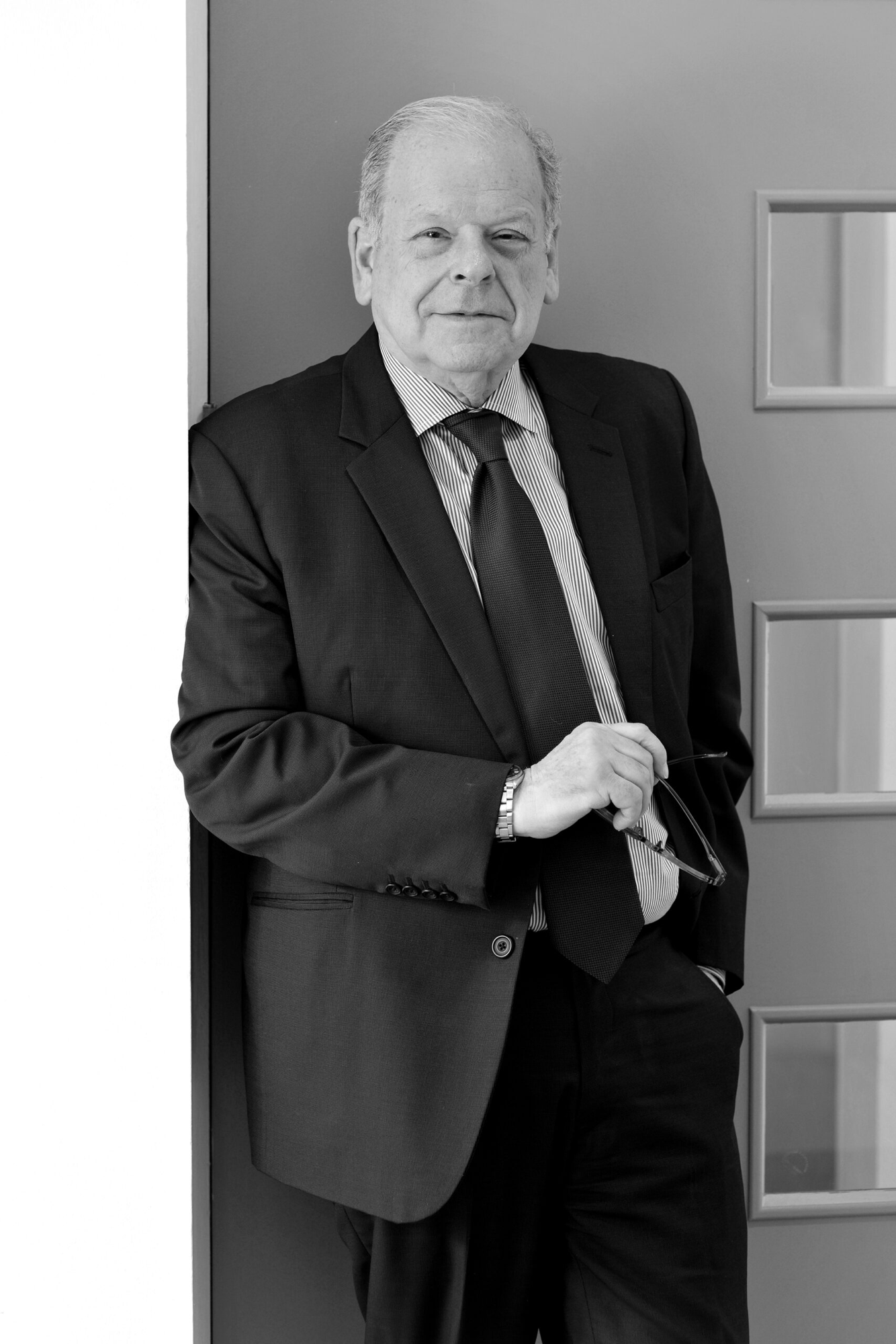
Mitchell Freinberg
Mitchell Freinberg brings more than 25 years of investment banking experience to Oculometrix, with a career spanning mergers and acquisitions, equity and debt capital markets, corporate restructurings, film financings, and leveraged buyouts.
Freinberg began his career at Bankers Trust in the United States before relocating to London in 1983, where he advised corporate clients across Europe in debt and capital markets. At NatWest Markets and Hawkpoint Partners, he led marketing for the Debt Structuring Group and served as a Director of Corporate Finance covering the Media and Technology sectors. He later became a founding member of LongAcre Partners, a media and telecoms advisory boutique backed by the partners of the Olswang law firm and the Corsair Fund, where he served as Managing Director.
Freinberg holds a B.A. from Columbia University, a J.D. from NYU School of Law, and an M.B.A. from Columbia Business School, and is a member of the New York Bar.