Breathalyzers Can't Catch What's on the Road Today.
Recreational legalization and polydrug use are rising fast. A driver on alcohol, cannabis, and a prescription, street, or designer drug can fall below every legal cutoff — and still be dangerously impaired. Chemical thresholds were never designed for this.
Functional testing measures what actually matters: the ability to drive. Oculometrix is a purpose-built device that brings objective, AI-powered SFST testing to every traffic stop.
The engineers and experts building objective impairment detection.
President and Chief Regulatory Officer (CRO)
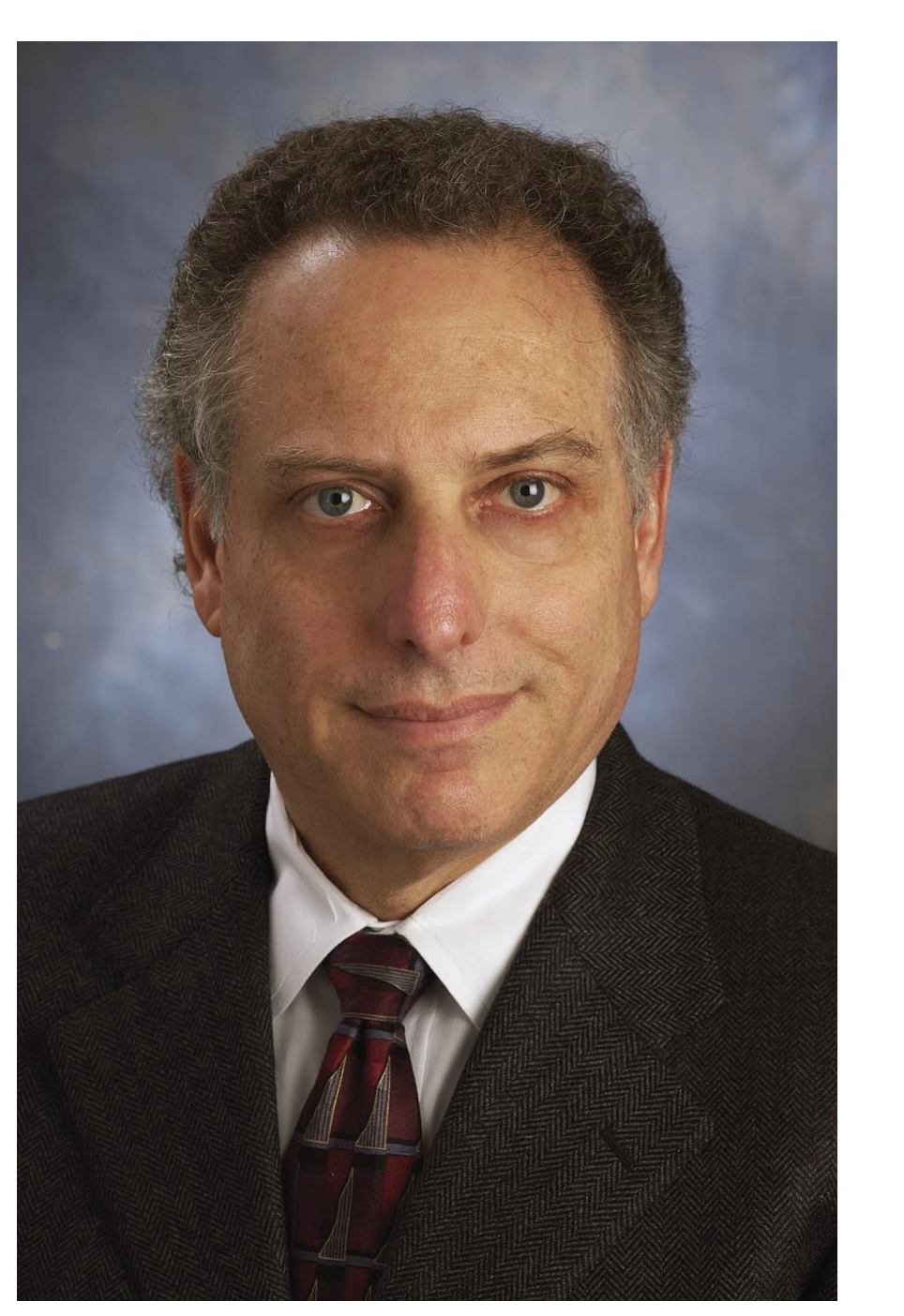
Joel Ehrenkranz, MD
Dr. Joel Ehrenkranz, founder of Oculometrix, is a physician-scientist, serial biotech entrepreneur, and recognized expert in medical diagnostics, neuroendocrinology, public safety technologies, and biomedical product commercialization. He serves as a Visiting Professor in the Division of Chemistry and Chemical Engineering at the California Institute of Technology (Caltech) and as Associate Professor of Endocrinology at the University of Colorado School of Medicine. Board-certified in internal medicine and endocrinology, Dr. Ehrenkranz brings a rare combination of scientific depth, clinical expertise, regulatory insight, and entrepreneurial experience to the development of scalable technologies that improve human health, safety, and performance.
A graduate of Stanford University School of Medicine, Dr. Ehrenkranz completed postgraduate training in internal medicine at Bellevue Hospital and Columbia University College of Physicians and Surgeons, neurology at Memorial Sloan Kettering Cancer Center, and endocrinology at the National Institutes of Health. He has held faculty appointments at Columbia University and the University of Utah and previously served as a consultant and advisor to the Commissioner of the U.S. Food and Drug Administration (FDA).
Dr. Ehrenkranz has founded four biotechnology companies and contributed to the development and commercialization of multiple innovative healthcare technologies, including home pregnancy tests, drug testing systems, point-of-care endocrine diagnostics, therapies for diabetes and osteoporosis, newborn screening technologies, and smartphone-based medical platforms. His work has consistently focused on transforming advanced science and engineering into practical, scalable products capable of broad market adoption, particularly through low-cost, globally available consumer hardware platforms.
Dr. Ehrenkranz brings extensive experience in correctional medicine, forensic diagnostics, public health, and law enforcement technologies. His clinical research at the Connecticut Maximum Security Penitentiary and service as Medical Director of Arizona State Prisons in Douglas and Tucson provided direct operational insight into the real-world challenges of identifying impaired individuals in law enforcement environments. These experiences reinforced his long-standing view that public health and public safety are fundamentally interconnected and highlighted the need for objective, technology-driven methods of assessing human performance and impairment.
This combination of clinical medicine, neuroscience, AI-enabled diagnostics, regulatory knowledge, and operational public safety experience directly shaped the vision behind Oculometrix: a scalable digital platform for objective physiological and neurocognitive assessment. While the company's initial applications focus on impairment detection and law enforcement, the underlying technology has broad potential across transportation safety, industrial workforce monitoring, sports medicine, concussion screening, neurological and psychiatric disease management, and other safety-sensitive industries. By leveraging the computational power and global availability of modern smartphones, Oculometrix aims to deliver sophisticated human performance analytics worldwide in formats that are affordable, portable, easy to use, and scalable.
Chief Technology Officer (CTO)
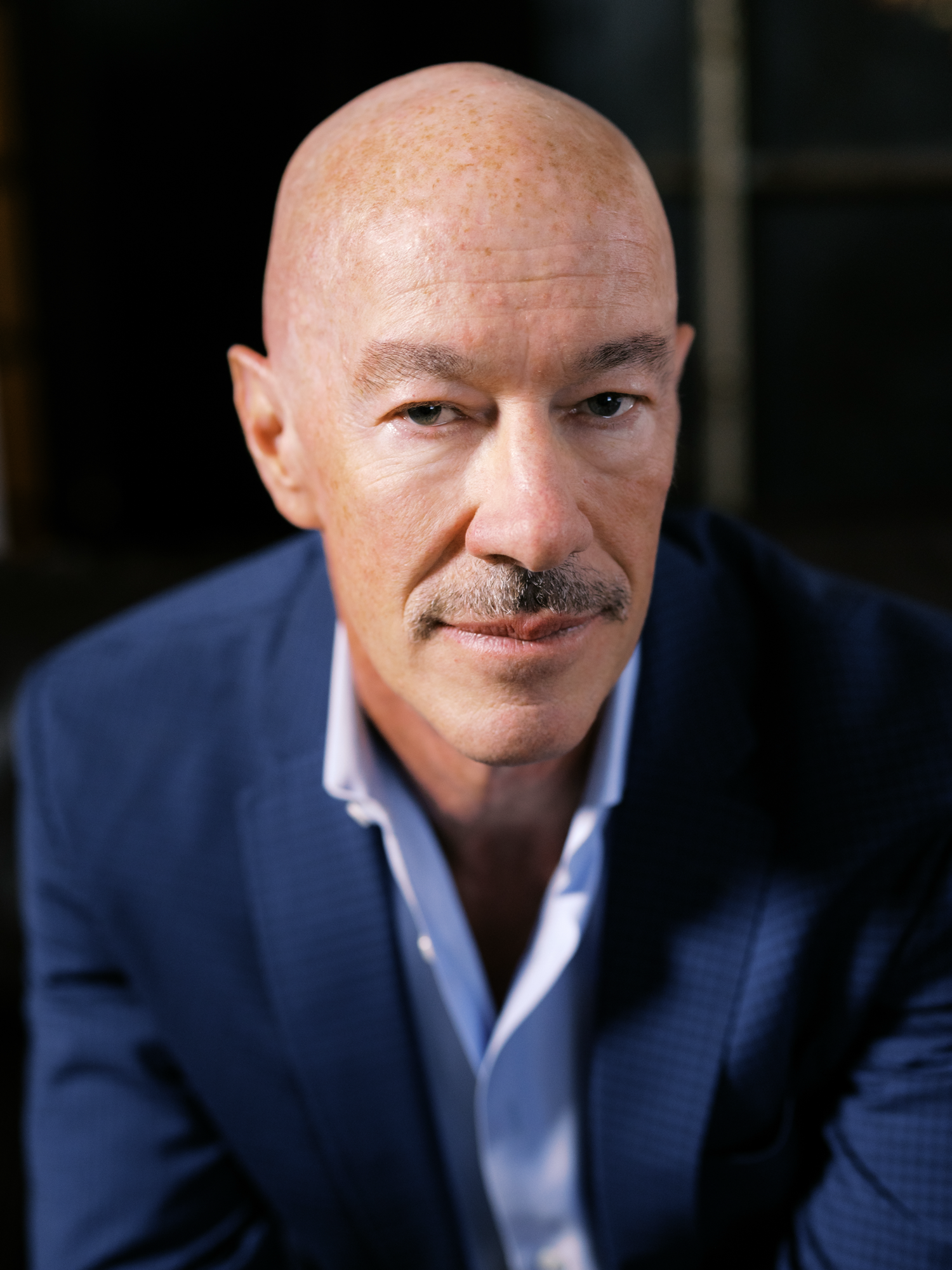
Chi Hoang
Chi Hoang serves as Chief Technology Officer of Oculometrix, leading the company's technical development across ML model architecture, on-device inference, and system infrastructure.
At LinkedIn's AI Infrastructure team, Hoang engineers AutoResearch, a platform that uses an AI-driven planner to autonomously optimize the models behind LinkedIn's recommendation systems, dramatically reducing manual tuning effort. She previously built a failure-analysis system that processed over 1M engineering incidents and cut on-call workload by 200 hours, and has shipped monitoring dashboards tracking performance across production systems. Her current work involves coordinating and evaluating specialized AI agents within LinkedIn's model-training automation platform.
Before LinkedIn, Hoang built an AI-powered accessibility compliance system and deployment infrastructure at GeoProspex (formerly Dodda AI), a Techstars-backed land intelligence startup ($135B portfolio). At Caltech, she was selected as a first-year for the Summer Undergraduate Research Fellowship (SURF), developing a feature for gget — a biology research tool with 70,000+ GitHub downloads — that cut a key query from five minutes to ten seconds; the work was published in Oxford's Bioinformatics. She also interned at the U.S. House of Representatives for Congresswoman Bonnie Watson Coleman, writing policy memos, attending briefings on data, energy, and economic policy, and assisting New Jersey constituents.
Hoang holds a B.S. in Computer Science from the California Institute of Technology (Caltech).
Chief Medical Officer (CMO)
Steven E. Feldon, MD, MBA
Emeritus Chair of Ophthalmology, University of Rochester Former President, North American Neuro-Ophthalmic Society
Steven E. Feldon, M.D., M.B.A, Emeritus Professor and Chair of the University of Rochester School of Medicine & Dentistry, is a neuro-ophthalmologist. He currently serves as the President of the Alliances for Eye and Vision Research (AEVR/NAEVR). He is the immediate past Executive Vice President of the American University of Professors in Ophthalmology (AUPO) and is the Chief Executive of AUPO Connect, LLC., a Group Purchasing Organization.
A graduate of UCLA (BA, 1969) and Albert Einstein College of Medicine (MD, 1973), his post-graduate training was completed at Mass. Eye & Ear Infirmary and UC, San Francisco. He served as president of the North American Neuro-ophthalmology Society and has authored more than 100 peer-reviewed scientific publications. He holds 8 patents. Amongst his inventions is the Tonopen®, the most commonly used hand-held tonometer for measurement of intraocular pressure. He also pioneered electronic medical records with the introduction of the OcuChart™ in 1993. These inventions were manufactured, marketed, and distributed by companies founded and led by Dr. Feldon. His current sponsored research is focused on Thyroid Eye Disease.
Dr. Feldon is on the Board of Directors of the Doheny Eye Institute and Excell Partners, an early round venture capital group affiliated with the University of Rochester. He serves on the Scientific Advisory Board of Empire Discovery Institute, a NY State sponsored organization promoting drug discovery for Western New York.
Chief Financial Officer (CFO)
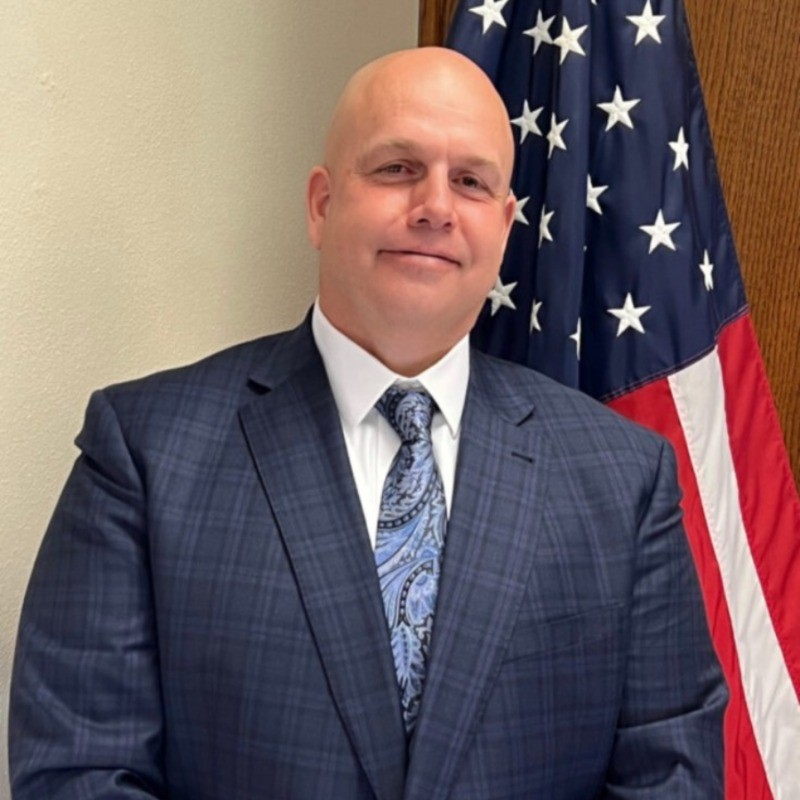
Mitchell Freinberg
Mitch has over thirty-five years of investment banking experience and has completed transactions involving all areas of mergers and acquisitions, equity fund raisings, debt financing, balance sheet management and hedging, corporate restructurings, film financings and leveraged buyouts.
He began his career with Bankers Trust in the US and moved to London with them in 1983. There, he covered corporate clients across Europe in the debt and capital markets areas. Later, with NatWest Markets/Hawkpoint Partners, he was head of marketing for the Debt Structuring Group and a Director of Corporate Finance covering the Media and Technology sectors. He went on to be an original member of LongAcre Partners, the media and telecoms advisory boutique backed by the partners of the Olswang law firm and the Corsair Fund where he served as a Managing Director before he left to co-found Noventus in 2002.
He holds a BA from Columbia, a JD from NYU Law School and an MBA from Columbia Business School and is a member of the New York Bar.
Advisors
Law Enforcement Advisor
Chief Chris Burbank
Former Chief, Salt Lake City Police Department
Chief Chris Burbank is a recognized public speaker and authority on issues surrounding policing, especially as they pertain to public interaction. He regularly participates with media nationally and internationally to bring clarity to current critical events and situations.
Chris participated with the Center for Policing Equity (CPE) from its inception in 2008 until 2025, originally as an advisory board member and then as a vice president following his retirement from Salt Lake City Police Department in 2015. During his tenure with CPE, the organization grew from seven passionate individuals to the nation's largest research-driven, justice-in-policing organization, raising over $80 million with 150 employees throughout the country. CPE demonstrated the transformative impact of data-driven interventions, partnering with 60 law enforcement agencies in 30 states, serving over 85.2 million people.
Chris is a recognized expert in law enforcement. He testified before Congress on three occasions, advised the U.S. Department of Justice on consent decrees, and serves as an expert witness on cases involving all aspects of policing including use of force, search and seizure, wrongful death, and civil rights.
Chris served the Salt Lake City Police Department from 1991 until his retirement in June 2015. He was appointed to the position of Chief in 2006, becoming the 45th Chief of the Department. During his nine-year tenure he distinguished himself as progressive and innovative, influencing not only the City of Salt Lake but also the profession nationally. He was selected as a member of the “Enlightened Fifty” most influential leaders in the State of Utah, and was one of six Police Chiefs in the nation selected to meet with President Barack Obama to discuss the Administration's plan regarding gun violence in America.
Law Enforcement Advisor
Fred Ross
Former Chief of Police, Utah Transit Authority & Provo City Former Deputy Chief, Salt Lake City Police Department
Fred Ross is a decorated law enforcement leader with more than three decades of command experience across municipal, metropolitan, and transit policing in Utah. He has served as Chief of Police of both the Utah Transit Authority and Provo City, and as Deputy Chief of the Salt Lake City Police Department — advancing through every level of command and earning a national reputation for progressive, data-driven institutional reform.
Over a twenty-year career with the Salt Lake City Police Department, Ross advanced to serve as Deputy Chief of both the Investigations Division and the Metro Support Division, overseeing 65 detectives conducting major investigations in homicide, assault, robbery, and narcotics. He led a landmark multi-agency initiative targeting Salt Lake City's highest-crime corridor — reducing area crime through targeted resource deployment and nationally recognized diversion programming — for which he received the Salt Lake City Humanitarian Award, the department's first and only. As Chief of Police for the Utah Transit Authority, overseeing an $11.2 million annual budget, 85 sworn officers, and security operations across 45 million annual riders in seven counties, he transformed an underperforming department through systematic reform. He established Utah's first partnership with the Center for Policing Equity, built a real-time crime center staffed by detectives analyzing multi-site surveillance, launched UTA's first K-9 unit, and secured federal Transit Safety Grant funding to develop an anti-terrorism education and security program for the regional rail network. He subsequently served as Chief of Police for Provo City.
Ross advises Oculometrix on field deployment strategy, officer workflow integration, and the practical demands of roadside law enforcement — bringing direct command-level perspective to a device built for the field.
A complete device built on proven standards
NHTSA SFST Protocol
ML Models Validated on Peer-Reviewed Data
On-Device Edge AI — No Cloud Required
Turnkey Device — Ready Out of the Box
What Ships in Every Kit
Oculometrix is a turnkey device, not an app download. Every unit arrives ready to deploy with zero configuration.
Dedicated iPhone
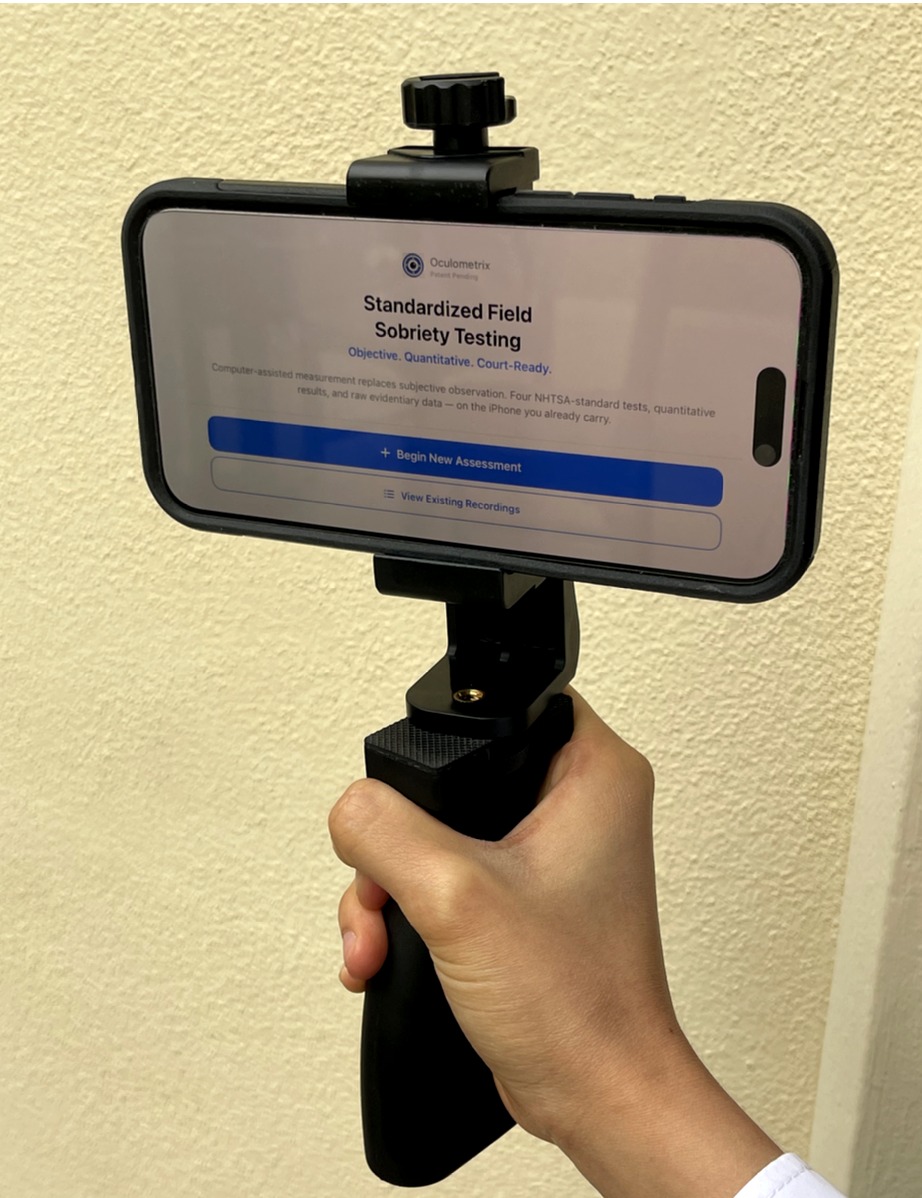
A pre-configured iPhone with TrueDepth and LiDAR cameras, optimized for on-device ML inference. Locked in single-app kiosk mode — officers cannot exit, browse, or alter settings.
Tactical Holder
A ruggedized grip mount designed for roadside conditions. Positions the device at the correct distance and angle for NHTSA-standard eye tests. Protects against drops and weather.
Pre-Installed AI Software
All neural networks, pose-estimation models, and SFST protocols ship pre-loaded and validated. Over-the-air updates keep models current without officer intervention.
How It Works
Three steps from traffic stop to court-ready evidence — using the device that ships to your department.
1
Power On & Select
Power on the Oculometrix device — a dedicated phone with pre-trained ML models loaded in kiosk mode, secured in the tactical holder. Select the test protocol and the AI pipeline initializes automatically.
2
Administer Test
The device runs NHTSA-standard protocols while on-device neural networks perform real-time inference. Computer vision models capture gaze vectors at 60 Hz; pose-estimation algorithms track skeletal landmarks for balance and gait analysis — all processed locally with zero cloud latency.
3
Review Evidence
The ML pipeline outputs a binary PASS/FAIL classification backed by feature-level confidence scores, time-series signal charts, and encrypted telemetry — ready for court proceedings.
Four NHTSA Tests. All Built Into the Device.
Every Oculometrix unit ships with dedicated ML models for each Standardized Field Sobriety Test — pre-loaded and ready to run.
Smooth Pursuit
A gaze-tracking neural network follows the subject's eye movements against a moving stimulus. Signal-processing algorithms extract phase correlation, amplitude ratio, and saccadic intrusion rate — feeding a classifier that detects loss of smooth pursuit.
Computer Vision • Front Camera
Horizontal Gaze Nystagmus (HGN)
Deep-learning feature extraction identifies involuntary nystagmus during horizontal gaze. The model evaluates all 6 HGN clues per NHTSA standards — lack of smooth pursuit, distinct and sustained nystagmus at maximum deviation, and onset prior to 45° — with sub-pixel precision.
Deep Learning • Front Camera
One-Leg Stand
A rear-camera pose-estimation model tracks skeletal keypoints during a 30-second single-leg stance. ML classifiers score all 4 NHTSA clues: sway, hops, arm raises, and foot-down. On our real-world field test set of 94 labeled recordings, the PASS/FAIL verdict matches officer ground truth in 79% of cases, with ongoing improvement as the labeled dataset grows.
Pose Estimation • Rear Camera
Walk & Turn
Rear-camera body pose tracks heel-to-toe steps and classifies 8 NHTSA clues during the tandem walk. On 81 labeled field recordings, the step counter achieves 95% precision and 84% recall — no phantom steps, slight undercount on rapid-pace subjects — while clue classifiers detect offLine, armsUp, heelToToeMiss, and improperTurn patterns.
Pose Estimation • Rear Camera
The Oculometrix AI Advantage
Traditional field sobriety tests rely on subjective officer observation. The Oculometrix device replaces guesswork with machine learning — a single piece of equipment that brings objective, quantitative intelligence to every roadside assessment.
Turnkey hardware kit. Phone, tactical holder, and pre-loaded ML models ship in one package. Power on and go — no app store, no cloud dependency, no IT setup.
Court-ready AI output. Encrypted recordings, model confidence scores, feature-level telemetry, and time-series signal charts provide irrefutable, explainable evidence.
Substance-agnostic detection. Computer vision models detect impairment patterns from cannabis, opioids, stimulants, and poly-drug use — substances breathalyzers miss entirely.
ML models validated on peer-reviewed datasets. Detection classifiers benchmarked on PhysioNet and Health & Gait corpora with automated regression suites and cross-validation.
Binary classification. No ambiguous results. Every test produces a definitive PASS/FAIL prediction with an associated confidence score.
95%Tandem step-counter precision 84% recall · 81 labeled field recordings
79%OLS pass/fail accuracy 94 real-world field recordings
60 HzReal-time inference rate On-device edge AI
Oculometrix vs. Traditional Methods
Capability
Traditional SFST
PBT / Breathalyzer
Oculometrix
Detects alcohol impairment
Subjective
Yes
Yes — objective
Detects drug impairment
DRE only
No
Yes
Objective measurement
No
BAC only
Full ML telemetry
Court-admissible data
Officer testimony
BAC reading
AI-generated charts + encrypted data
AI / Machine learning
None
None
On-device neural networks
Special hardware required
None
Breathalyzer unit
Purpose-built device
Calibration needed
N/A
Regular
None
Per-test consumables
None
Mouthpieces
None
AI in the Field
Representative use cases showing how machine learning transforms roadside assessments.
Polydrug Detection
A suspect blows 0.00 on the PBT but appears visibly impaired. The Oculometrix gaze-tracking model flags anomalous saccadic patterns and loss of smooth pursuit. The subsequent toxicology report confirms fentanyl. AI catches what breathalyzers cannot.
Explainable AI in Court
Instead of relying solely on officer testimony, the arresting officer presents ML-generated signal charts, feature-level confidence scores, and quantitative telemetry. Explainable model outputs make the evidence significantly harder for defense counsel to challenge.
Accelerated Training
Traditional SFST training takes weeks to produce consistent results. With AI-guided protocols built into the device, newly trained officers produce reliable, model-scored assessments from their first deployment — the neural network compensates for human variability.
Cost-Effective Edge AI
Competing solutions require $3,000+ VR headsets with cloud-dependent AI. Each Oculometrix device ships as a self-contained kit at a fraction of the cost, making department-wide deployment of AI-powered testing feasible.
Walk & Turn Validation
An officer manually counts 18 heel-to-toe steps during a tandem walk. The rear-camera pose pipeline achieves 95% step precision and 84% recall across 81 labeled field recordings — no phantom steps — and body-pose classifiers surface balance and gait clues the eye can miss in poor light.
Augmenting DRE with AI
Oculometrix does not replace the officer — it provides an AI co-pilot with objective eyes. Drug Recognition Experts gain neural-network-quantified nystagmus data and ML confidence scores that supplement their clinical assessment.
Partner With Us
Interested in a pilot program, distribution partnership, research collaboration, or investment opportunity? Tell us about yourself and we'll be in touch.



 Oculometrix